Donate
Priority: Justice for All

Abolish Youth Incarceration
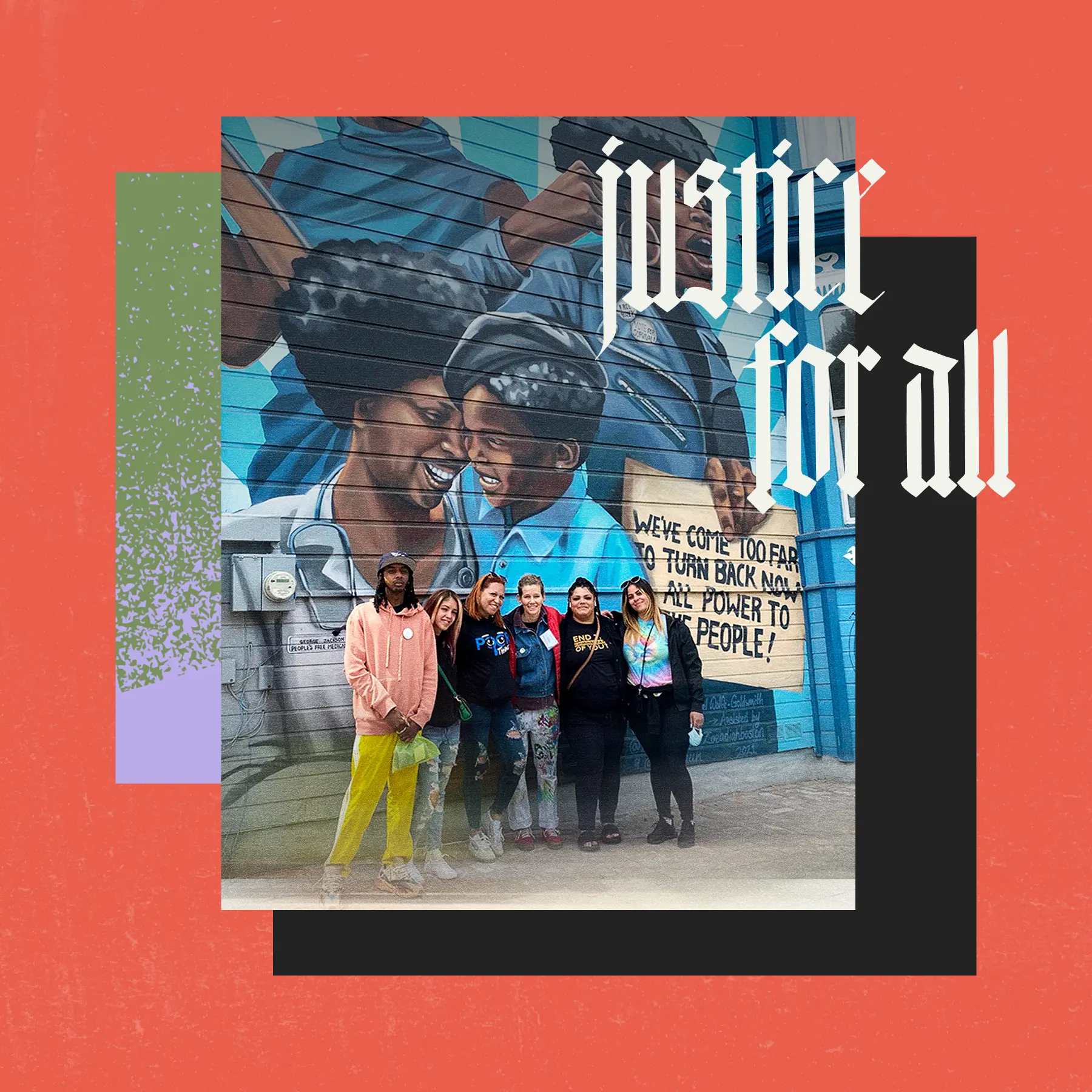
This is CTJA’s ultimate goal. All of our other priorities work in service of a vision where no kids are in jails, prisons, or the legal system. Instead, young people are held accountable and offered support in their communities.

P4_Abolish Youth Incarceration
Quote
Far from being starry-eyed idealists, we are specialists in the daily grind of the deliberate, patient and persistent work necessary for what we want — freedom and justice.

Ruth Wilson Gilmore, James Kilgore, ‘The Case for Abolition’ 

In the early 2000s, Connecticut led the nation in the number of youth under 18 held in adult jails and prisons. We’ve made significant progress since then. But we’re not finished.

In 2007, Connecticut ended a system that routinely sent 16- and 17-year-olds into adult courts and prisons, sometimes for offenses as minor as shoplifting or a fight at school.

In the years since, the state has continued to move away from punitive confinement and toward community-based programs that support young people.

There’s more to do. One child in the legal system is too many.

Youth incarceration is expensive — it costs more than $200,000 to incarcerate a child. That’s more than it costs to educate them. And it doesn’t work as well as education. Youth incarceration does not lead to lower rates of recidivism, and it doesn’t make our communities safer. It creates a cycle of harm that lasts for generations.

We know abolition sounds like a radical word, but our mission isn’t all that radical: All of our priorities as an organization revolve around the safety and well-being of Connecticut’s young people, and the communities we share.

We know the solution isn’t more expensive facilities that lock our kids up, put them in danger, and do nothing to teach them about accountability and rehabilitation.

The solution is community investment.

Our goal is to ensure young people in Connecticut can grow up in the communities they call home, with what they need to grow. No mistake makes a child disposable

Here’s how we move
Connecticut forward.

Solutions

Invest in communities first

Invest in communities first

Youth involvement in Connecticut’s legal system is not random. It stems from unmet needs in housing, education, mental health, economic stability, and community safety. To divert young people away from the legal system, CTJA is pushing the state to invest in those needs, within our communities.

Amplify youth voices & power

Amplify youth voices & power

In order to truly engage young people in the movement to end the criminalization of youth, their participation cannot be symbolic. Instead, it must be structured, compensated, and tied to real decision-making authority.

Get young people out of state custody

Get young people out of state custody

No young person belongs in prison: not at adult facilities in Cheshire or Niantic, not in detention centers in Bridgeport or Hartford, not at youth facilities in Hamden. We are organizing to end youth incarceration in Connecticut, and finally abolish the idea that punishment makes communities safer. Until that day, every young person in custody is owed safety, dignity, real access to education, and developmentally appropriate care. These are not policy preferences. They are moral obligations, and many are constitutional rights. We are making the state meet them.

Come together for justice for all

Come together for justice for all

If you believe in a Connecticut where communities are safer and no kids are locked up, join us. Our voices are stronger when we’re unified behind a single message. 

Here’s how we got here.

A few key moments in the history of youth incarceration in Connecticut, to highlight the progress we’ve made making our state safer for everyone — and the distance we have left to go.

Wins
2007

16- and 17-year-olds are no longer automatically treated as adults in Connecticut’s legal system

2014

Juvenile Justice Policy and Oversight Committee (JJPOC) created 

2016

CT state law amended to direct OCA to regularly review & report on conditions of confinement for youth 15 to 21

2020

The Office of the Child Advocate (OCA) reported that 18 to 21 year-olds at Manson Youth Institution were “deprived of adequate care, education, and treatment” 

2023

The Judicial Branch created $24M a transition plan for pre-trial youth under 18 to be moved out of the custody of the Dept. of Correction within 10-16 years — CTJA urges the state to move faster

newsletter-new

Stay Connected

Subscribe to our newsletter to receive updates on youth justice in CT.


      Tape Next Page Launch
      Next up

      We’re prioritizing CT’s kids